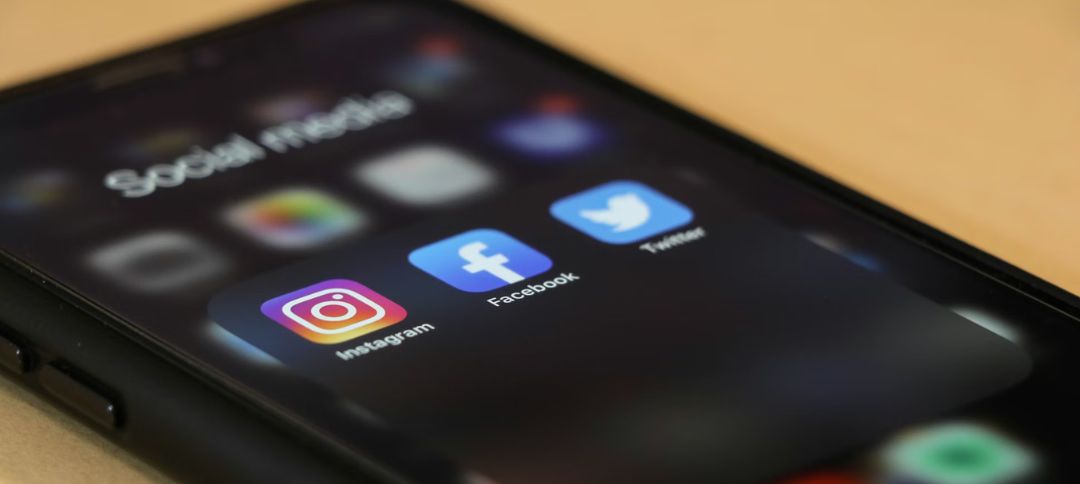
Social media isn’t just where people scroll, it’s where they connect, learn, and make decisions that matter.
For nonprofits, that means social media is more than a way to post updates. It’s a powerful fundraising tool that can help you reach new supporters, build trust, and raise real money for your cause. Whether you’re running a small organization or a growing one, your supporters are already online. With the right approach, you can meet them there, and turn likes into long-term giving.
At Harness, we’ve seen firsthand how the right mix of smart technology, storytelling, and strategy can help nonprofits grow. Social fundraising isn’t just a trend. It’s a path to deeper engagement and sustainable giving. And the good news? You don’t need to be a social media pro to make it work. You just need a plan, and maybe a partner. Harness makes social media fundraising easier, smarter, and more impactful. Ready to grow your reach and donations? Learn how at goharness.com.
The value of social media marketing for nonprofit fundraising
Let’s be honest, fundraising has never been easy. But social media gives nonprofits something we’ve never had before: a way to speak directly to supporters, instantly, for free (or close to it). It’s a place where your mission can live in people’s feeds, where stories can spread fast, and where one powerful post can spark hundreds of donations.
Unlike traditional fundraising, social media lets you show the heart of your work in real time. Whether it’s a short video from a volunteer or a quick update from the field, you can invite people into your world, and make them feel like they’re part of the impact. That’s what builds trust. That’s what keeps people coming back.
And because platforms like Facebook and Instagram have built-in donation tools, your followers don’t have to jump through hoops to give. The easier you make it to support your mission, the more likely they are to do it. That’s the power of social media marketing: turning awareness into action without friction.
Choosing the right social media channels for your nonprofit
Not every platform is right for every nonprofit, and that’s okay. You don’t need to be everywhere. You just need to show up where your supporters are already spending their time. That’s where your message will hit hardest.
If your audience skews older or more community-focused, Facebook is still a solid bet. It has strong donation tools, and it’s great for sharing event updates or running peer-to-peer fundraisers. Instagram works well for visuals and quick impact stories, especially if you’re comfortable posting regularly and using stories. Younger audiences? That’s where TikTok and YouTube shine, especially if you’re open to short videos and behind-the-scenes content. LinkedIn is more niche, but great for reaching professionals, board members, and potential sponsors.
The best approach? Start with one or two platforms. Test what kind of posts get engagement. Don’t just post and pray, pay attention to comments, shares, and who’s showing up. That’s how you’ll know if the platform’s working for you.
Proven fundraising campaigns for social media success
Some of the best fundraising wins we’ve seen come from simple ideas done consistently. You don’t need a giant following or a viral video. What you do need is a clear goal, a great story, and a reason for people to take action now.
Peer-to-peer fundraising is one of the most effective approaches. Supporters raise money on your behalf by sharing their own connection to your mission. It’s personal, it’s authentic, and it reaches new networks you may never touch otherwise. Birthday fundraising works in a similar way, someone “donates” their birthday by asking friends to give to your nonprofit instead of gifts. It’s low-effort and high-impact.
Then there’s GivingTuesday, a single-day campaign that’s become a global movement. Many nonprofits build momentum with countdowns, goal updates, and matching gifts. And don’t underestimate the power of short form videos and Instagram Stories. These give quick, behind-the-scenes looks at your work, and help people feel like insiders. Add donation stickers or donation buttons right into the content to make giving just one tap away.
Every campaign doesn’t have to be big. What matters is showing up with heart, being clear about what you need, and making it easy to say “yes.”
How to raise money through powerful social media posts
You don’t need to be a professional writer or a designer to create posts that bring in donations. What you do need is a message that’s real, a photo or video that grabs attention, and a reason for people to care right now.
Start with a story. It doesn’t have to be long. A quote from someone you’ve helped, a quick update from the field, or a snapshot of what a donation makes possible, these are the kinds of posts that stick. Keep your captions simple and clear. Tell people what you’re doing, why it matters, and how they can help.
Use real-time updates to build momentum during campaigns. Post live donation counts, short thank-you videos, or even quick shoutouts to new donors. These remind your followers that their gifts make a difference right away.
And always include a call to action. If you’re asking people to give, make sure it’s obvious, and easy. Link directly to your donation page, use built-in donation buttons, and keep the steps to donate short. When it feels effortless to give, more people will.
Facebook fundraisers and donation tools: What works
Facebook makes it easy for people to support your nonprofit without ever leaving the app. That’s a big deal, because the fewer steps it takes to give, the more likely someone is to donate.
Start by setting up a verified Facebook fundraiser for your organization. Once it’s live, your supporters can run their own fundraisers on your behalf, especially around birthdays or holidays. These personal campaigns often bring in new donors, since they come from someone the giver already knows and trusts.
Make sure your donation page is linked directly to your Facebook profile and that your donation button is turned on. You can also add buttons to posts and even live videos. It may seem small, but having that one-click option right there makes a huge difference.
And remember: people are more likely to give when they understand how their money will be used. So pair your fundraising posts with quick stats, impact updates, or simple “$10 = one meal” type messages. Clear beats clever every time.
Creating long-term supporters from social media engagement
Getting a donation is great, but turning that donor into a repeat supporter? That’s where real growth happens. Social media gives you a chance to build those relationships over time, in a way that feels personal and consistent.
Start with a thank-you. Public or private, doesn’t matter, just make it heartfelt and timely. Then keep the connection going. Share impact updates. Show how their gift made a difference. Post behind-the-scenes looks at your work. Tag supporters (when it makes sense) and let them know they’re part of your story.
Monthly giving is another way to build long-term support. Use stories, reels, or live updates to highlight the steady change that recurring donors help make possible. Talk about it often, not just during big campaigns. People want to feel like their gift matters, and when they see that it does, they’ll stick around.
And don’t forget to invite people to do more than donate. Ask them to share, comment, or start a peer-to-peer fundraiser. When someone engages beyond giving, they’re more likely to become a true part of your community.
Best practices for nonprofit storytelling on social media
People don’t fall in love with stats, they fall in love with stories. When you tell a story well, it helps your audience feel something. And that’s what moves them to give, to share, or to get involved.
You don’t need a polished video or a long post to tell a good story. A single photo and a few honest lines about someone your work helped can be more powerful than any report. Try to highlight individuals, not just programs. Focus on real people, real challenges, and real change.
Show the work in progress, not just the wins. Take your followers behind the scenes. Let them see your volunteers packing boxes or your team preparing for an event. It’s not about being perfect. It’s about being real.
Pair these moments with the right fundraising tool, like a donation button, sticker, or link in bio, so people can act while they’re still feeling inspired. The more connected someone feels to your mission, the more likely they are to support it.
Tools and templates to streamline your fundraising content
Creating social media content every day can feel overwhelming, especially when your team is small and your to-do list is long. That’s why having a few go-to tools and templates can make a huge difference.
Start with a content calendar. It doesn’t need to be fancy. Just a simple plan of what you’ll post and when. This helps you stay consistent, which builds trust over time. You can also group posts by type, like impact stories, donation asks, thank-yous, and updates, so you’re not always starting from scratch.
Use free tools like Canva for graphics, and platforms like Later or Buffer to schedule your posts ahead of time. That way, you can batch your work and avoid the last-minute scramble. If you’re doing short form videos, having a template or script outline can save you hours, and keep your message clear.
Templates don’t make your content less authentic. They give you more space to focus on what really matters: connecting with people who care about your cause.
Tracking your impact: How to measure social fundraising ROI
Posting on social is great, but how do you know it’s working? That’s where tracking comes in. Measuring your results doesn’t have to be complicated, and it helps you figure out what’s actually bringing in donations, and what’s just taking up time.
Start by looking at engagement. Are people liking, sharing, commenting? Are they clicking your links or using your donation buttons? These are signs your content is connecting. Next, track reach, how many people saw your post. A small audience that gives is better than a big one that scrolls past.
Most platforms also let you see how many clicks go to your donation page. Combine that with your donation software’s reporting, and you’ll start to see which posts or campaigns lead to real giving.
Finally, set simple goals. You don’t need a dashboard full of charts. Even tracking one thing, like new donors from Instagram or total raised during a Facebook fundraiser, can help you improve over time. Just keep it consistent, and let the data guide your next move.
Turn engagement into giving
Social media isn’t just a nice-to-have anymore, it’s one of the most powerful tools nonprofits have to connect, inspire, and raise money. Whether you’re just starting out or looking to grow, you don’t need a huge following or a big budget. You just need a clear voice, a few great stories, and a plan to show up consistently.
When you use social media to bring people closer to your mission, not just to ask for money, but to share impact, celebrate progress, and invite support, your community grows stronger. And when you build trust online, donations follow.
You don’t have to do it alone. With Harness, you get more than tools, you get a partner who knows what it’s like to be in your shoes. We help you make giving easy, build stronger donor relationships, and create a system that works long-term. Explore how we turn social engagement into sustained giving at goharness.com.