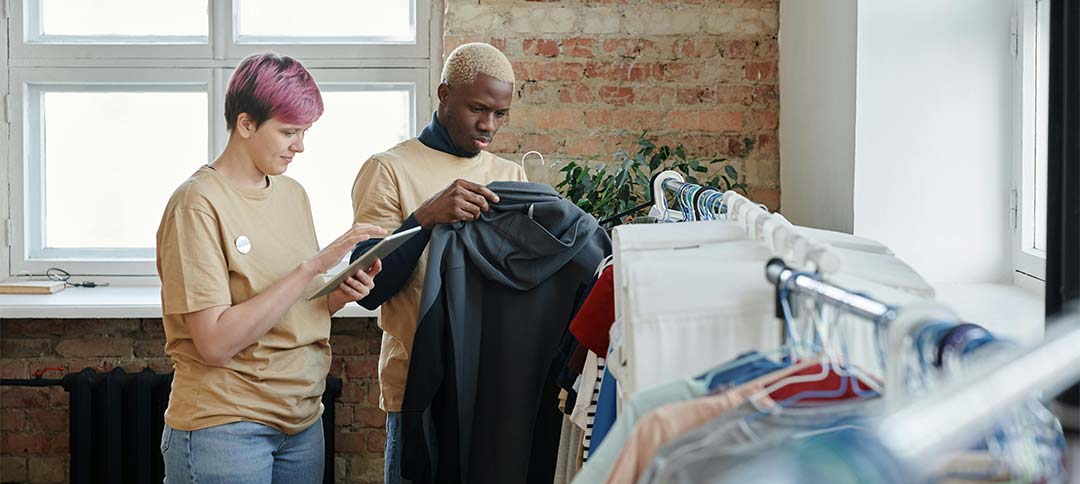
Starting a nonprofit thrift store isn’t just a great way to raise money, it’s also a powerful way to bring people together and give items a second life.
If your organization wants to grow its impact and create a steady income stream, opening a thrift shop might be the right next step.You don’t need to be a retail expert or have tons of money to get started.
What you do need is a clear plan, a strong purpose, and the right tools to stay organized as things grow. In this guide, we’ll walk you through the exact steps to get your store off the ground, from figuring out your model to getting licensed, sourcing donations, and marketing your mission. You’ll also find tips for running the store day-to-day, managing inventory, and using tech to save time and boost your impact.
Define your mission and create a business plan
Every great thrift store starts with a clear “why.” Before you pick out a location or collect donations, think about what you want your store to achieve. Are you raising money for a specific program? Offering job training? Supporting your local community with affordable goods? When your mission is clear, it will guide every decision you make, from what you sell to how you run the shop.
Once you’ve nailed down your purpose, it’s time to put it on paper. A simple business plan doesn’t have to be scary. Start by writing out your goals, your budget, and how you’ll measure success. Include things like your target shoppers (families, students, vintage clothing fans), how you’ll get inventory, and how much money you’ll need to open the doors. Even a one-page plan can help you stay on track and explain your idea to partners, donors, and volunteers.
Think of your business plan as your map. It keeps you focused, makes it easier to ask for funding, and helps others see your vision. You’ll thank yourself later for spending the time to get it right now.
Choose your model – physical, online, or hybrid
Before you open your doors, or your browser, you’ll need to decide what kind of thrift store you want to run. There’s no one “right” model, but the setup you choose will shape how your store operates day to day. Let’s break it down:
Physical retail store
This is the classic setup. You rent or buy a retail space, decorate it, fill it with donated goods, and welcome people to shop in person. It gives you great visibility in the community and helps build local relationships fast. Just make sure the space is easy to find, has enough parking, and meets zoning rules in your area.
Start an online thrift store
If you're short on space or want to reach more people, an online model might be right for you. You can sell through online marketplaces like eBay or Poshmark, or even build your own website. You’ll need good product photos, clear item descriptions, and a plan for shipping. It takes more setup upfront, but it can work really well, especially if you focus on popular items like vintage clothing or collectibles.
Hybrid thrift store (physical + online)
Why choose one when you can do both? Many stores are going hybrid, selling in-person and listing select items online. This lets you move more inventory, reach different types of shoppers, and keep things flexible. Just be ready to keep track of what’s sold where so you don’t double-sell an item.
Whatever model you choose, make sure it fits your mission, your team, and your community. You can always grow or shift later.
Register your nonprofit and get licensed
This part might feel like a lot of paperwork, but it’s one of the most important steps to get right. Before you start collecting donations or selling anything, your thrift shop needs to be legally set up and properly registered.
If you haven’t already, you’ll want to register your nonprofit with your country, state, or local government. In the U.S., that usually means applying for 501(c)(3) status, which lets you accept donated items and offer tax-deductible receipts. In other regions, the process may look different, but the goal is the same: become an official nonprofit that can operate a business.
Next up, you’ll need a few licenses to run your shop smoothly:
- General business license – This is your basic “okay to operate” paperwork from your city or county.
- Sales tax permit – Even as a nonprofit, you may need to collect or report sales tax. Check your local rules.
- Zoning or signage permits – These depend on where your shop is located and how you plan to advertise.
You’ll also need to choose a legal structure (like a nonprofit corporation) and register your thrift store’s name. Don’t forget to get an EIN (employer ID number) so you can open a business bank account and hire staff if needed.
It may seem like a lot at first, but once you’re registered and licensed, you’ll be ready to move forward with confidence.
Fund your thrift store startup
You don’t need a fortune to open a nonprofit thrift store, but you will need some startup cash to get things moving. The good news? There are lots of ways to raise money without going into debt or draining your personal savings.
Start by figuring out what you’ll need. Think about rent, utilities, signs, shelving, a register system, and maybe some early advertising. Once you have a ballpark number, you can start looking for funding options that match your mission.
Here are a few smart ways nonprofits fund their thrift stores:
- Grants – Some foundations and local governments offer small business or nonprofit grants, especially if your store supports a community cause.
- Donor campaigns – Crowdfunding works great when people can see the impact. Let supporters “buy a shelf,” “sponsor a sorting table,” or help with other specific needs.
- In-kind donations – Ask for donated equipment, furniture, or even a retail space if someone has an extra office or storefront.
- Community partnerships – Local businesses may pitch in with funding or supplies in exchange for some shared visibility or a tax write-off.
And remember, every dollar saved is a dollar you can put toward your mission. Volunteers, secondhand fixtures, and free tools can stretch your budget further than you think.
Source your inventory
Your thrift store can’t open without stuff to sell. And the better your starting inventory, the better your chance of catching shoppers’ attention and building trust. The good news? You don’t have to spend a ton of money to stock your shelves, especially if you tap into your community.
Start with donated items. Ask friends, family, board members, and volunteers to clean out their closets. Then expand your ask, post on social media, partner with churches or schools, and run a local donation drive. People love to support a cause when they know exactly where their stuff is going.
You can also explore other sources like:
- Estate sales – These can be a goldmine for furniture, vintage clothing, and housewares.
- Bulk secondhand suppliers – Some companies sell unsold or returned items in bulk.
- Retail overstocks – Local shops may donate out-of-season or damaged packaging items.
- Community partnerships – Build long-term relationships with people or businesses that donate regularly.
As you collect inventory, set clear guidelines about what you can and can’t accept. This keeps your store tidy and saves time. (Nobody wants to dig through broken blenders or stained clothes.)
And don’t forget, you’re not just collecting stuff. You’re curating a shopping experience that reflects your mission and makes people want to come back.
Set up inventory management and pricing
Once donations start rolling in, things can get messy fast if you don’t have a simple system in place. Inventory management doesn’t have to be complicated, but it does need to help you keep track of what you have, what’s selling, and what needs to move.
Start by sorting everything into categories: clothing, books, home goods, accessories, etc. Tag each item with a price, and if possible, a date, so you’ll know how long it’s been on the floor. Color-coded tags or stickers can help you organize items by week or month. That way, you can plan regular markdowns without guessing.
For digital tracking, a basic spreadsheet might work at first. But as things grow, you’ll want to look into simple POS or inventory systems made for running a thrift store. These can help with sales reporting, reordering, and even syncing with your online thrift store if you’re selling there too.
When it comes to pricing, start by thinking about your audience and your mission. You want your prices to be fair, accessible, and competitive, but still high enough to support your cause. Don’t be afraid to try different price points and adjust based on what’s moving. It’s normal to learn as you go.
And remember: your store isn’t just about making sales. It’s about creating value, for shoppers and for your mission.
Staff your store with purpose
The people behind the counter make just as much of an impact as the stuff on your shelves. Whether you’re working with paid staff, volunteers, or a mix of both, building the right team will shape how your thrift store runs, and how your shoppers feel.
Start with roles. You’ll likely need someone to greet customers, someone to sort and price items, someone to run the register, and someone to manage the store overall. In smaller shops, one person might wear several hats at once, and that’s totally fine.
If you’re a nonprofit, volunteers can be a huge help. Reach out to community groups, schools, or local businesses for support. Many people are happy to pitch in for a good cause, especially when they can see the direct impact. Just make sure you train everyone well, give clear expectations, and create a positive environment they want to return to.
If you’re hiring, look for people who connect with your mission. Retail experience is helpful, but a kind attitude, patience, and willingness to learn go a long way in a thrift store setting.
No matter your staffing setup, build a team that understands the “why” behind your work. When people feel like they’re part of something meaningful, it shows, and customers will feel it too.
Market your thrift store
You don’t need a huge ad budget to get people through your doors, you just need a good story and a few smart ways to share it. The heart of your marketing should always come back to your mission. People want to support something that feels real, local, and meaningful.
Start with the basics:
- Put up signs in front of your store and around town. Keep them simple and clear.
- Create social media pages for your store. Show new arrivals, volunteer shoutouts, and fun behind-the-scenes moments.
- Ask your board, volunteers, and friends to spread the word. Word of mouth is still one of the most powerful tools you have.
- Host a grand opening or “reopening” event to get buzz going. Offer a discount or giveaway to draw people in.
If you’re selling online, use the same approach. Keep your listings clean and friendly. Add short stories or notes about why your store exists. That personal touch helps your items stand out on online marketplaces.
And don’t forget about local partnerships, schools, churches, small businesses, and community centers may be open to promoting your store or co-hosting donation drives.
The more people see your store as part of the community, the more likely they are to shop, donate, and spread the word.
Use technology to scale impact
Technology might not be the first thing you think about when opening a thrift shop, but the right tools can save time, reduce stress, and help you grow faster. Even simple systems can make a huge difference once things get busy. Understanding how to run a nonprofit effectively can also help organizations manage operations, fundraising systems, and long-term sustainability as they scale.
Start with a POS system (point of sale). It tracks what sells, how often, and how much money you're bringing in. Many systems also help with inventory and donor tracking, which is especially helpful if you’re juggling both a physical and online thrift store.
Next, think about how you communicate with donors and customers. A basic email list is a great place to start. Text tools work even better, people read texts faster than emails. With the right setup, you can even automate thank-you messages after donations or purchases.
At Harness, we’ve helped nonprofit stores use tech to simplify fundraising, track donor behavior, and stay in touch with their community. Tools like SmartAsk™ make it easier to turn one-time supporters into recurring donors, and our platform keeps everything in one place so you’re not stuck jumping between spreadsheets and apps.
The bottom line? Tech should support your team, not replace it. When it works well, it fades into the background and lets your people do what they do best.
Keep your mission front and center
When people walk into your store, they should feel your mission, not just see your merchandise. A thrift store is more than a place to shop; it’s a space where your values come to life. The way you decorate, talk to customers, and share updates all shape how people connect with your cause.
Start small. Add signs that explain where the money goes. Use tags or shelf cards to show how buying secondhand helps the environment or funds a program. Share stories, of families helped, jobs created, or community needs met. Even a simple poster with your impact stats can remind shoppers why their purchase matters.
Train your team to speak with purpose. Whether someone is folding jeans or ringing up dishes, they’re also representing your nonprofit. Help them feel confident talking about your mission in a way that’s natural and real.
And finally, make time to check in. Look at what’s working and what feels off. Are you staying true to your goals? Is your community feeling connected? The more you keep your mission in the spotlight, the easier it becomes for others to support it.
Where your thrift store journey begins
Starting a thrift store for your nonprofit isn’t just about raising money, it’s about building something that serves your community every single day. You’ve now got a full picture of what it takes, from planning and licenses to pricing, marketing, and keeping your mission front and center.
Will everything go perfectly? Probably not. But with a clear purpose, a solid plan, and the right tools, you’ll be ready to handle the bumps and keep moving forward. And remember, you don’t have to do it alone.
Harness is here to help. From donor engagement to smart fundraising tools, our platform is built to make your life easier so your team can focus on what matters most: your cause.
Now’s the time to take the first step. Whether you’re just dreaming or already picking out shelves, your nonprofit thrift store has the power to make a difference.