Raising money for a good cause doesn’t have to be complicated. In fact, some of the best fundraising events start with something as simple as food.
Whether you’re organizing a school event, helping a local nonprofit, or just trying to make a difference in your community, selling food is a smart, familiar way to bring people together. Everyone eats. And when you pair that with a cause they care about? It just works.
We’ve run and supported a lot of food fundraisers over the years. From pancake breakfasts to cookie sales, we’ve seen firsthand how powerful these events can be when done right. The trick is choosing easy foods people already love, and keeping the planning stress-free.
In this guide, we’re sharing our best ideas, tips, and tools to help you raise more money without burning out. And if you want a simple platform that takes care of all the messy stuff like donations, event pages, and donor follow-up? That’s what Harness is here for.
Why easy food fundraisers work
Let’s be honest: people love food. And when you make it easy for them to enjoy something tasty while supporting a good cause, that’s a win-win. You don’t need a big budget or a fancy kitchen. Just a few simple ingredients, a good setup, and a clear purpose.
Easy food fundraisers work because they’re familiar. Bake sales, hot dog stands, and pancake breakfasts are the kind of events people already understand. That means less explaining and more showing up. They’re also affordable to run, which means more of the money raised goes directly to your mission.
Another reason they’re effective? They bring people together. Whether it’s families at a school event or neighbors at a local park, sharing food builds a sense of connection. And when people feel connected, they’re more likely to give, and to keep giving.
At Harness, we’ve seen organizations turn simple food events into long-term fundraising wins. It starts with something small, and it grows when the community gets involved. That’s what makes these fundraisers special. They’re easy to start, but the impact can last.
How to raise funds successfully with food-based events
Running a food fundraiser doesn’t need to feel overwhelming, but it does need a little planning to go smoothly. Here’s what we’ve learned works best.
Start with a clear goal. Are you raising money for a one-time project, like new uniforms or supplies? Or are you building something long-term, like monthly support for your nonprofit? When you know your goal, it’s easier to plan the rest.
Choose the right food for your crowd. Think about your community. What do they already like? Maybe it’s something quick like hot dogs or something fun like cupcakes. You don’t need to get fancy, just make sure it’s something people actually want.
Partner with local businesses. Ask a local restaurant to donate food or let you host an event at their place. Small businesses love being part of the community, and it helps promote your event, too. You both win.
Think ahead with ticket sales and pre orders. If you can, sell tickets early or offer pre orders. This gives you a better idea of how much food to prepare and helps avoid waste. It also builds excitement ahead of time.
Get your community involved. Volunteers, local chefs, even students, the more people you involve, the more energy your fundraiser will have. It’s not just about raising funds. It’s about raising awareness and building something together.
Planning ahead doesn’t have to be stressful. With the right tools, you can keep everything organized, track donations, and stay connected with your supporters, without all the back-and-forth.
Top food fundraising ideas that actually work
We’ve worked with a lot of organizations, and one thing we hear all the time is: “We need something simple that works.” So here’s the good news, you don’t need to reinvent the wheel. The food fundraising ideas below are easy to set up, fun for your community, and proven to help raise funds.
Classic fundraising foods everyone loves
Some food ideas are classics for a reason, they’re crowd-pleasers, low-cost, and easy to pull off.
- Bake sale with baked goods: Cookies, brownies, cupcakes, these never go out of style. Ask volunteers to contribute, and set up a table at a school, church, or local business.
- Hot dog stand: A simple grill setup at a park or outside a store can go a long way. Add chips and drinks for a full meal.
- Pancake breakfast: Great for weekends, this one’s a favorite with families. Sell tickets ahead of time and make it a sit-down community event.
- Ice cream social: Perfect for warmer months. Offer build-your-own sundaes or scoops with toppings. Kids love it, adults do, too.
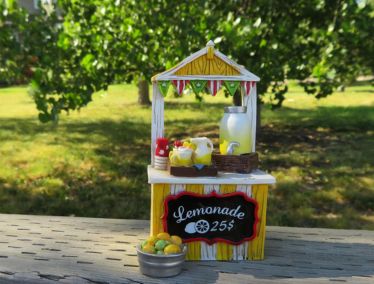
- Lemonade and cookie table: For younger fundraisers, this is a great place to start. Easy to run, low cost, and surprisingly effective.
Creative food ideas to raise awareness and excitement
Want to go beyond the usual bake sale? These creative ideas help your event stand out and spark more curiosity, and donations.
- Taste of your town: Partner with local restaurants or chefs to offer small bites or samples. Sell tickets to the tasting event and use it to spotlight local businesses.
- Mystery dinner party: Create a fun, themed dinner where guests don’t know the full menu ahead of time. Add a twist, like surprise seating or costumed servers, to keep it entertaining.
- Themed potluck night: Pick a theme, tacos, pasta, soups, and invite guests to bring dishes to share. You can sell tickets or request donations at the door.
- Gourmet popcorn or snack bags: Package flavored popcorn, trail mix, or roasted nuts in small bags with custom labels. Great for school events or workplaces.
- Candy grams or treat bundles: Sell small pre-packed gift bags of candy or snacks for holidays or special occasions. Add a note and let people send them to friends or coworkers.
School and youth-friendly fundraising food ideas
These ideas are designed for schools, youth groups, or family events, simple, safe, and fun to run.
- DIY pizza or sandwich kits: Sell make-your-own meal kits with simple ingredients. They’re fun, customizable, and great for at-home family nights.
- Cupcake decoration booth: Set up a table with plain cupcakes and toppings. Charge per cupcake or offer a decorating station as part of a ticketed event.
- Breakfast bar and coffee combo: Offer grab-and-go breakfast options during school drop-off or early morning events. Pair muffins, granola bars, and fruit with coffee.
- Smoothie or juice bar: Healthy and colorful, smoothies are a hit with all ages. Keep the setup simple with a few blender stations and fruit options.
- Classroom cookbook sale: Have students submit favorite recipes and create a printed or digital cookbook. Sell copies to families and supporters.
Outdoor or local park food fundraising ideas
If the weather’s nice, take your fundraiser outside. These ideas work great in open spaces and draw in walk-by traffic.
- BBQ cook-off: Ask local businesses or volunteers to compete in a friendly grill contest. Charge admission or offer samples with ticket sales.
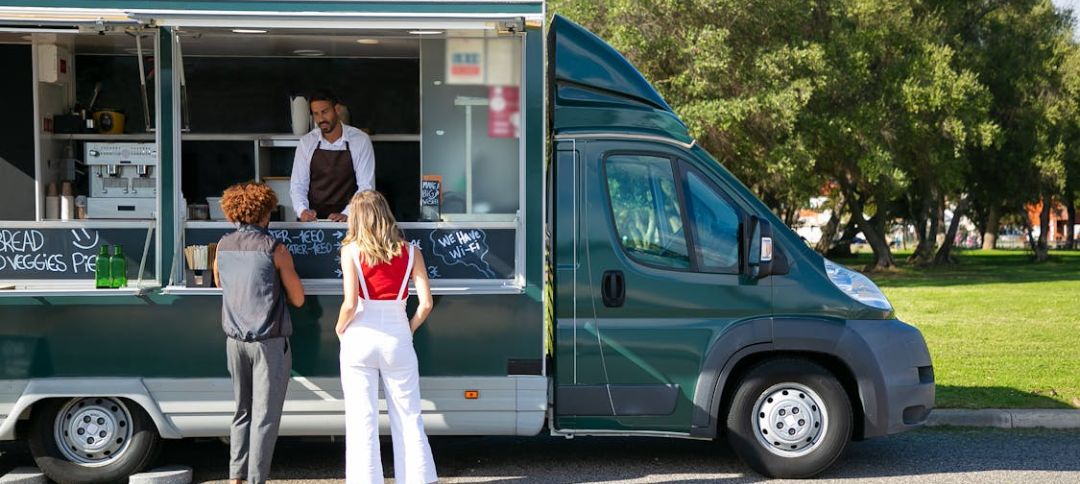
- Food truck festival: Invite food trucks to set up in one location, and collect a portion of their sales as a donation. Promote your cause throughout the event.
- Community picnic: Sell boxed lunches or have attendees bring their own. Include games, music, or a raffle to make it a full experience.
- Donut wall or dessert bar: Set up an eye-catching wall of donuts or a table full of sweets. Works great at fairs, carnivals, or church events.
- Hot chocolate stand: Perfect for winter months. Add extras like marshmallows or whipped cream and serve it at outdoor markets or tree lightings.
Digital or pre-order based food fundraising
Sometimes, it’s easier (and safer) to skip the in-person crowd. These options make it easy to raise funds even when you can’t gather.
- Pre orders for meal kits or snacks: Sell cookie dough, pizza kits, or healthy snacks through online order forms. Deliver to homes or offer a pickup day.
- Virtual cooking classes: Invite a local chef to lead a live cooking demo. Sell access to the stream and send out the ingredient list in advance.
- Restaurant partnership night: Partner with a local restaurant that agrees to donate a portion of one night’s sales. All you have to do is promote it.
- Sell tickets to a live-streamed cook-off: Feature two or three local cooks or volunteers competing from their own kitchens. Let viewers vote for the winner with a donation.
Strategies to promote your event and sell tickets
Even the best food fundraiser won’t work if no one shows up. Promotion matters just as much as planning, and luckily, it doesn’t have to be hard or expensive. Here’s what we’ve seen work time and time again.
Start with social media. It’s free, fast, and reaches more people than a flyer ever could. Post pictures of your food, your team getting ready, or even a behind-the-scenes look at prep. And don’t be afraid to ask people to share it, that’s how word spreads.
Involve your community members. Ask volunteers, parents, or local leaders to help promote. When people feel connected to your event, they’re more likely to talk about it, and bring friends.
Work with local businesses. A small shop or restaurant might let you hang a poster, share your event on their page, or even offer a small giveaway or deal for attendees. It helps you both.
Use pre orders and early ticket sales. Selling tickets ahead of time gives people a reason to commit, and helps you plan better. Offer a small discount or a “bonus item” for early buyers if you can.
Tell your story. Don’t just say what you’re selling, explain why. Let people know who or what the fundraiser supports. A short, honest story connects with people way more than a generic event post.
And of course, if you're using a platform, you can handle ticket sales, share your event page, and send automatic reminders, all from one place. That makes promoting feel less like work, and more like momentum.
Overcoming challenges in food fundraising events
Food fundraisers are fun, but they’re not without a few bumps along the way. Don’t worry, most of the common challenges are easy to handle if you know what to expect. Here’s what we’ve learned from running events ourselves (and helping others do the same).
Food safety and permits. If you’re selling food to the public, check your local rules first. You might need a permit, or someone with a food handling certification. It sounds official, but most communities have clear, simple guidelines to follow, just ask your local health department.
Too much (or too little) food. Nobody wants leftovers, or to run out mid-event. That’s why pre orders are so helpful. If you can sell tickets or meals ahead of time, you’ll have a better sense of how much to prepare. A few extras are fine, but guessing can be costly.
Volunteer burnout. It’s easy to lean on the same people over and over. Try breaking up tasks: one team handles food, another does setup, and someone else manages social media. And don’t forget to thank them. A little recognition goes a long way.
Competing with other fundraisers. Sometimes, you're not the only event in town. That’s okay. Focus on what makes yours different, maybe it’s a unique food item, a great location, or a tie-in with a local cause. Make it personal, and people will care.
Staying organized. From tracking donations to handling RSVPs, the details add up. This is where tools can really shine. You can manage everything in one place, no spreadsheets, no stress.
Food fundraisers will always have a few moving parts. But with a little planning, the right help, and a solid system in place, the challenges become just another part of the fun.
Food fundraisers that bring people together
At the end of the day, a good food fundraiser is about more than just snacks or meals, it’s about bringing people together around something they care about. Whether you’re flipping pancakes in a school gym or handing out lemonade at the park, what matters most is the connection you create and the cause you support.
The best part? You don’t have to do it all alone. With a little creativity, some planning, and the right support, even a small team can pull off a fundraiser that makes a big impact.
And if you’re looking for a simpler way to organize, promote, and track everything from one place, Harness is built for exactly that. We’ve helped hundreds of nonprofits grow their impact without growing their to-do lists. If you're ready to make your next event easier (and more successful), we’d love to help.